
Speaker Bio: Feifei Han obtained her PhD from the University of Sydney. Her current research interests are in the areas of educational technology, learning analytics, and AI in Education. She serves as a Lead Editor of the Australasian Journal of Educational Technology. She has published in leading journals in educational technology (e.g., The Internet & Higher Education, Computers & Education, and International Journal of Educational Technology in Higher Education). Her publications have received Wiley's “Top Cited Article Award” in 2020, 2021, and 2024. In a bibliometric analysis of the blended learning research covering 2013–2022, she was ranked among the top four most productive researchers, placed third in citation impact, and was the most cited scholar between 2020 and 2022. She was also included in the Stanford World's Top 2% Scientists List in the field of Education in 2024 and 2025.
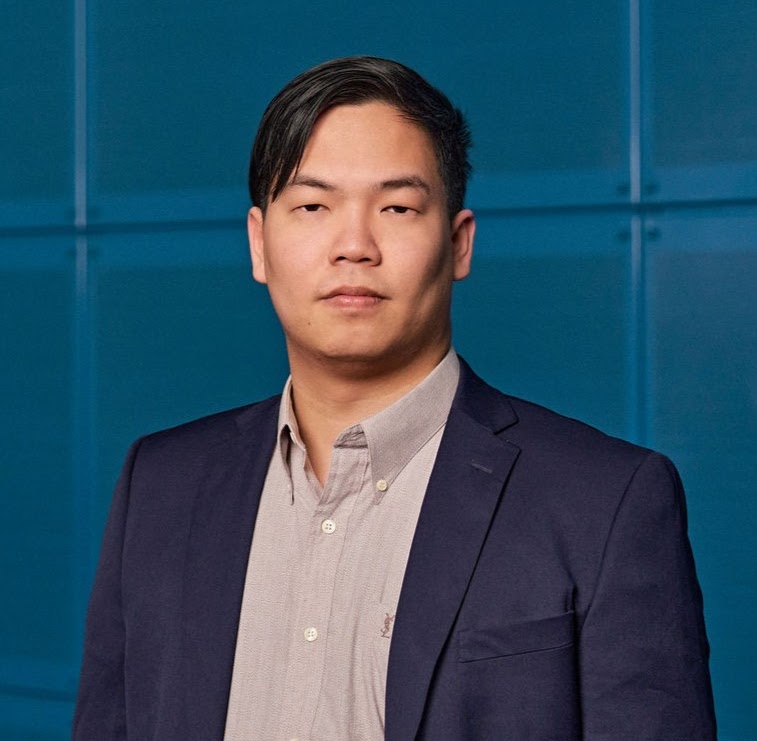
Speaker Bio: Andy Nguyen is a Tenure-Track Associate Professor within the Hybrid Intelligence: Human-AI Co-evolution and Learning in Multi-realities (HI) research profiling program at the University of Oulu, Finland. He holds the Docent (Adjunct Professor) title in Applied Artificial Intelligence at the Faculty of Information Technology and Electrical Engineering (ITEE) of the same university, and works as a Postdoctoral Research Fellow funded by the Research Council of Finland (formerly Academy of Finland). He earned his Ph.D. in Information Systems from the University of Auckland, New Zealand. His research outputs have been published in prestigious journals and conference proceedings across Educational Technology and Information Systems, including European Journal of Information Systems (EJIS) — an A*-ranked journal listed in the IS Basket of Eight under the ABDC ranking. He currently holds multiple editorial roles: Co-Chair of the Advances in Teaching and Learning Technologies minitrack at the Hawaii International Conference on System Sciences (HICSS), Associate Editor for the “Digital Learning and IS Curricula” track at ICIS 2024, Associate Editor of Policy Futures in Education, and Editorial Board Member of British Journal of Educational Technology.
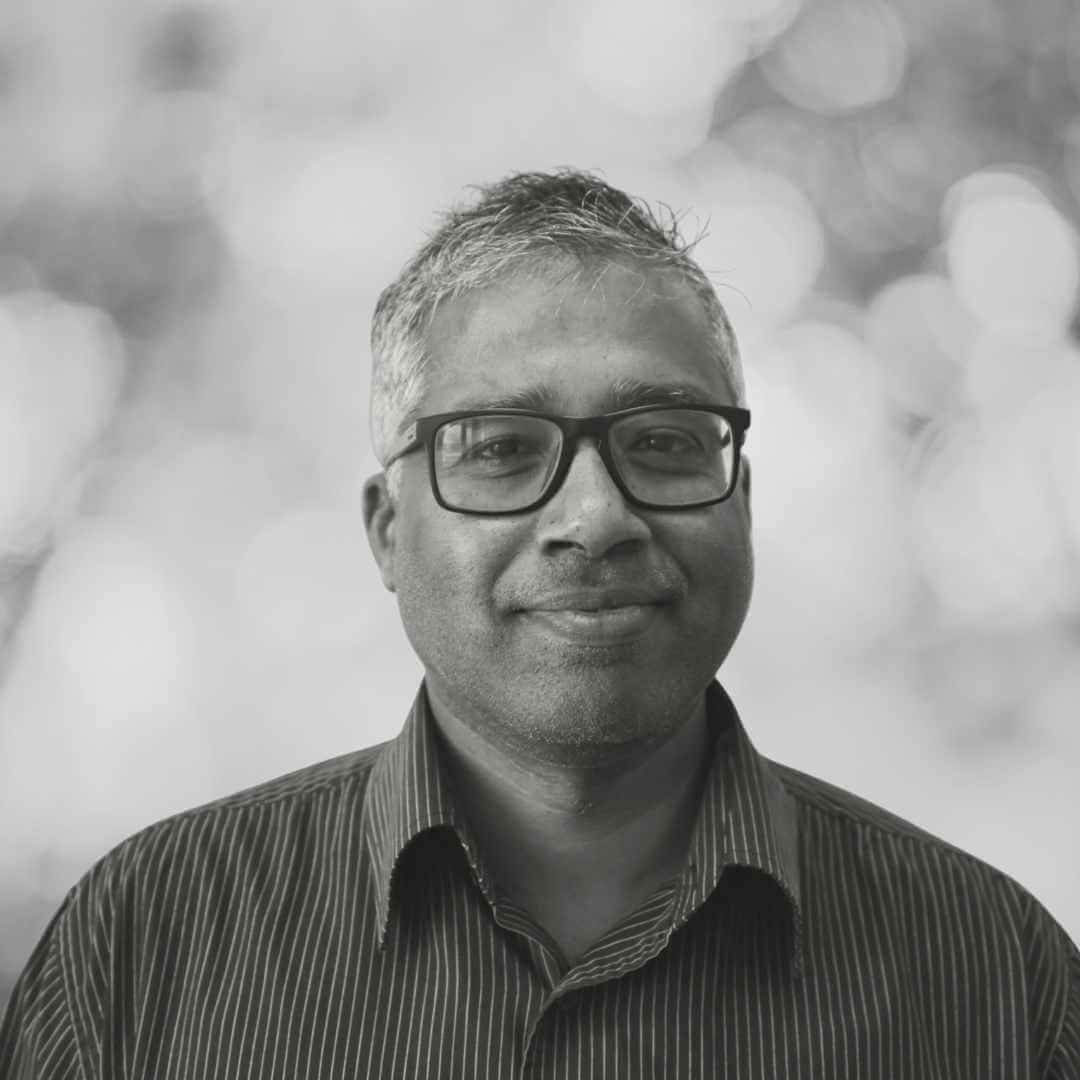
Speaker Bio: Dr. Kumar Laxman was an associate professor of learning and development with the Faculty of Education, University of Auckland for over a decade. Now he is with ICL Graduate Business School in Auckland, New Zealand. He graduated with a PhD in instructional design and technology from Macquarie University, Australia. His other qualifications include a masters degree in educational technology from the National Institute of Education (Singapore), a bachelors degree in civil engineering from the National University of Singapore and a postgraduate diploma in education from the National Institute of Education (Singapore). He has worked in various capacities and roles, including leadership in learning/training and development in corporate, governmental and tertiary settings globally.
Dr Kumar Laxman has been actively promoting the use of emergent technology to advance innovation in teaching and learning and he has served as a catalytic leader in participating in numerous e-learning and educational initiatives. He is knowledgeable in the various aspects of the field of learning design, having published widely in reputable journals and presented at numerous international conferences. He has also provided consultancy to a number of organizations in the domain of learning and development, particularly enabling them to leverage upon technologies in enhancing training and educational delivery. He has also independently carried out high quality research in learning design and development and achieved cutting-edge research outcomes. Possessing excellent communication and management skills, he is able to keep his participant audience engaged with his impressive style of training delivery.
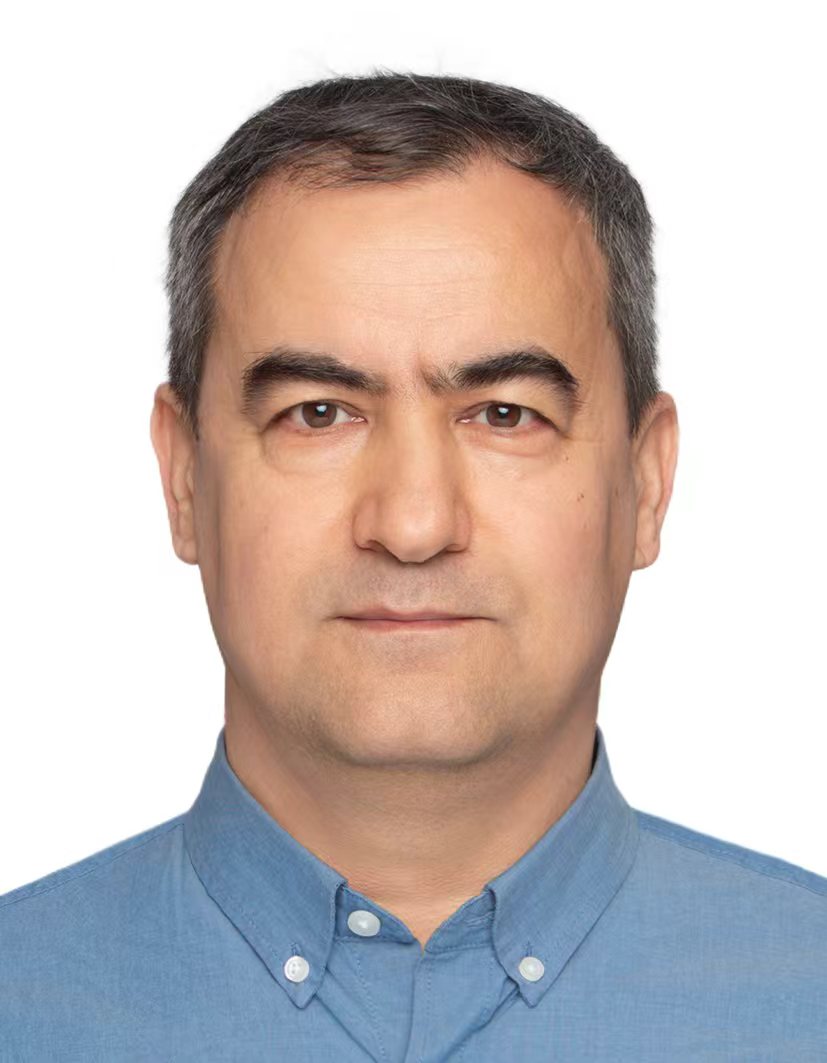
ACM and IEEE Senior Member
Speaker Bio: Dr. Rustam Shadiev is a Professor at the College of Education, Zhejiang University, China. He is a Fellow of the British Computer Society (BCS), a Senior Member of the Institute of Electrical and Electronics Engineers (IEEE), and a Senior Member of the Association for Computing Machinery (ACM). Dr. Shadiev's research focuses on advanced educational technologies and their applications in artificial intelligence–supported education, language learning, intercultural communication, immersive learning environments, and digital innovation in teaching and learning. His work has made significant contributions to understanding how emerging technologies can enhance learning outcomes, global competence, and cross-cultural engagement. He has published extensively in leading international SSCI journals, including Computers & Education, British Journal of Educational Technology, Journal of Computer Assisted Learning, and other highly regarded outlets in educational technology and learning sciences. His scholarly impact has been widely recognized, earning him inclusion among the Most Cited Chinese Researchers in Education for five consecutive years (2020–2024) and the Stanford/Elsevier Top 2% Scientist Rankings (2023–2025). In recognition of his academic achievements, Dr. Shadiev was awarded the title of Distinguished Professor of Jiangsu Province, China, in 2019. He serves on the editorial boards of several prestigious international journals, guest edits special issues for leading publications, and is frequently invited to deliver keynote and invited speeches at major international conferences worldwide.
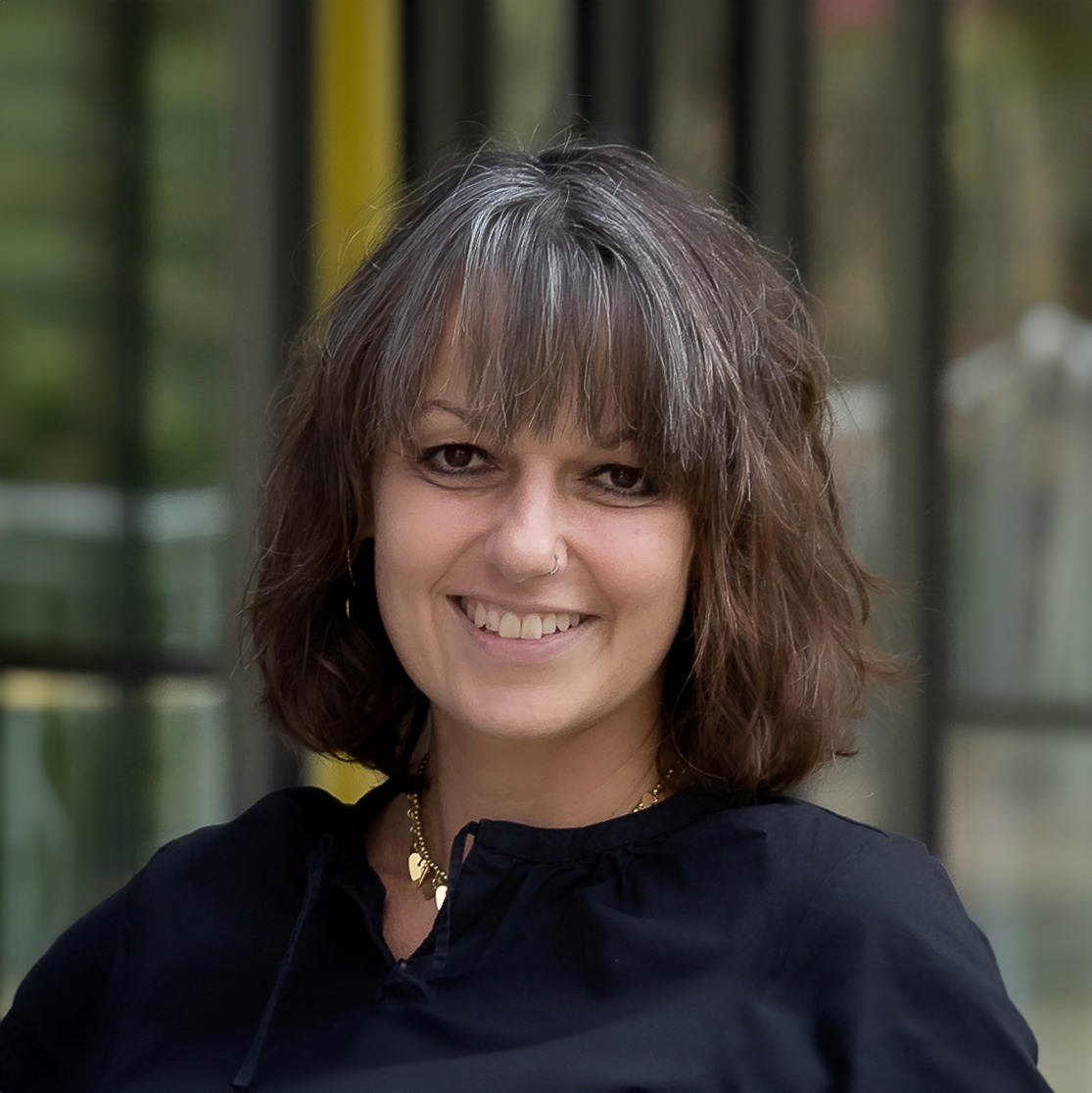
Head of the Centre for Teaching Excellence
Speaker Bio: Dr. Dagmar Archan is a professor at CAMPUS 02 University of Applied Sciences in Graz, Austria, and Head of the Centre for Teaching Excellence at CAMPUS 02. Her doctoral thesis investigated the impact of Blended Learning on the teaching and learning of English for Specific Purposes in higher education. In 2019, she received the Ars Docendi State Award for Excellence in Teaching for the Blended Learning course discussed in her doctoral thesis. Dr Archan's research focuses on teacher education, digital literacy and the use of technology in teaching and learning, with a particular focus on AI in higher education. She is actively involved in advancing higher education teaching, coordinating didactic programmes for lecturers and delivering media didactics training for academic staff. In recognition of its efforts to promote digital transformation for which the Centre for Teaching Excellence has been a driving force, CAMPUS 02 has been awarded the prestigious FIBAA (Foundation for International Business Administration Accreditation) Quality Seal of "Excellence in Digital Education" in March 2024.
Speaker Bio: Dr. Sarimah Shamsudin is an Associate Professor at the Faculty of Social Sciences and Humanities (FSSH) in Universiti Teknologi Malaysia (UTM), Kuala Lumpur (KL), Malaysia with more than 25 years of teaching experience and to date has received several Learning Innovation and Design Awards internationally, three Excellent Service Awards from UTM and six from her faculty. She also received the Writer in Indexed Journal Faculty Category Award from UTM twice, in 2020 and 2024. She held several admin posts throughout her career in UTM such as the Director (Social Sciences and Humanities) (FSSH, UTM KL), Head of Language Department (Language Academy, UTM KL), Acting Deputy Dean (Language Academy, UTM KL), Head of Language Lab and Multimedia Lab (FPPSM, UTM JB), Coordinator of Language Lab (Language Academy, UTM KL), Head of English Language Panel and Head of Testing and Evaluation or Moderation Committee (Language Academy, UTM JB & UTM KL). She obtained her Bachelors of Science degree in Computer Mathematics from Carleton University, Ottawa, Canada, Post-Graduate Diploma in Teaching English as a Second Language (TESL) from Institute Technology MARA, Malaysia, Masters of Science in Teaching English for Specific Purposes (TESP) from Aston University, Birmingham, UK and PhD in English Language Teaching (ELT) and Applied Linguistics from The University of Warwick, Coventry, UK. Her PhD thesis was on Computer-Mediated Communication (CMC) and English for Specific Purposes (ESP): An Investigation of the Use of Synchronous CMC to Meet the Needs of Computer Science Students and her Masters thesis was on Development of Web-Based Civil Engineering Materials Specialised Vocabulary List Via Corpus-Based Analysis of Civil Engineering Materials Textbooks. She has presented papers at international conferences in various countries such as the USA, Ireland, UK, Poland, UAE, Turkey, Thailand, Japan, Vietnam, Indonesia and Malaysia. She was an Invited or Keynote Speaker in several international conferences in Malaysia, Indonesia, Iran and Japan. To date, she has also published almost 100 articles in indexed and non-indexed journals as well as indexed and non-indexed conference proceedings. She has also published two original books and 13 book chapters. Apart from that, she has had experience obtaining a few millions in ringgit Malaysia of infrastructure development funding to set up and manage Digital Language Labs in UTM Johor Bahru and Kuala Lumpur and received almost half a million of ringgit Malaysia of local and international research funding as the main or co-researcher to implement research related to English language learning, teaching and learning using technology, cognitive abilities, development of corpus-based materials and corpus-based analysis of discourse. She is also continuously invited to review journal articles and conference papers both locally and abroad and has successfully graduated 16 PhD students and nine Master students from countries such as Malaysia, China, Iran, Pakistan and Sri Lanka. She has also filed thirteen (13) copyrights with her PhD and Masters graduates and examined 14 PhD candidates as Internal Examiner and eight as External Examiner. Her research interests are in the areas of Computer-Assisted Language Learning (CALL), AI-Assisted Language Learning (AI-ALL), Computer-Mediated Communication (CMC), Corpus Linguistics, English Language Teaching (ELT) and English for Specific Purpose (ESP).
Speaker Bio: My research focuses on human cognition, intelligence, and learning in higher education, with a particular emphasis on how university students learn and develop in the age of generative artificial intelligence (GenAI). I investigate how students interact with AI and how these interactions shape cognitive processes, metacognition, self-regulated learning, epistemic agency, and AI literacy. My overarching goal is to understand how AI can augment human intelligence while fostering autonomous, critical, and lifelong learning. Using classroom-based interventions, authentic learning tasks, interviews, questionnaire surveys, and mixed-methods research designs, I examine how university students integrate AI into learning, problem solving, and knowledge construction. My work explores how learners regulate AI-supported learning, evaluate AI-generated information, and balance independent thinking with AI assistance. I am particularly interested in identifying the cognitive and motivational factors that promote effective and responsible human–AI collaboration in higher education. Beyond individual learning behaviors, my research also investigates how AI is reshaping students’ epistemic beliefs, agency, and perceptions of learning. I seek to develop evidence-based pedagogical approaches that help educators integrate AI into university teaching while supporting students’ critical thinking, self-regulation, and intellectual independence. My research further contributes to understanding how higher education can prepare students with the competencies required to thrive in an AI-driven society. Ultimately, my work bridges educational psychology, the learning sciences, and artificial intelligence to advance research on learning in higher education. Through both theoretical and empirical studies, I aim to inform the design of educational practices and policies that enable university students to collaborate effectively with AI while continuing to develop the human cognitive, metacognitive, and ethical capacities that remain essential in the future of education and work.
Head of the Department of Curriculum & Instructional Technology
Speaker Bio: Ts.Dr. Siti Hajar Halili is a Professor in Innovative Digital Learning at the Universiti Malaya, Kuala Lumpur. She is also a Professional Technologist (Ts) from the Malaysian Board of Technology (MBOT). Currently, she is the Head of the Department of Curriculum & Instructional Technology. She was formerly with the Research Division, Prime Minister's Department, Malaysia. She holds a Degree in Information System Management from the University Technology MARA, a Master's in Educational Technology, and a PhD in Adult Education Technology from the University Sains Malaysia. Her works are published in ISI, SCOPUS, Malaysian and International journals. She has also published books and chapters in books. She has received awards such as the Dean’s Award, Best of Presentation Award, Excellent Service Award, Gold Award, The Most Outstanding Reviewer, Appreciation Certificate from Jabatan Pendidikan Selangor, and scholarships from MyBrain15 and USM Fellowship. She was the Chief Editor of Jurnal Penyelidikan Pendidikan and an article reviewer for several journals and conferences. She is also appointed as the university's open distance learning (ODL) expert, Programme Coordinator for the university's ODL and Master of Instructional Technology program, Head of Auditor for the faculty of education, and one of the University Malaya Family Research & Development Centre committee members. She focuses her research on Innovative Digital Learning, particularly in Flipped Learning, Open Distance Learning, Digital Badges Learning, Artificial Intelligence Learning, Instructional Design & Technology and Digital Curriculum Innovation. In short, she utilises digital learning to make learning flexible through Flipped Learning, accessible via Open Distance Learning, rewarding with Digital Badges and intelligent through Artificial Intelligence Learning. She also ensures it is well-designed, utilising Instructional Design & Technology and modern approaches through Digital Curriculum Innovation. This approach combines technology with pedagogy to create effective and impactful learning experiences for all.
Fellow of the American Physical Society (APS)
Speaker Bio: Alexander Kusenko is a Distinguished Professor of Physics at UCLA and a Senior Fellow at the Kavli Institute for the Physics and Mathematics of the Universe at the University of Tokyo. He also serves as an Associate Editor of Reviews of Modern Physics, the highest-impact journal of the American Physical Society. With over 25 years of innovative teaching at UCLA, Professor Kusenko has been recognized with multiple teaching awards. Throughout his career, he has been a strong advocate for making high-quality learning materials accessible to students, working to replace overpriced and outdated textbooks with affordable, modern educational resources. His commitment to this cause led him and Dr. Warren Essey to co-found Kudu, a platform that provides students with a superior learning experience at a fraction of the cost of traditional textbooks, while also supporting educational and research activities. Beyond teaching, Professor Kusenko is a leading researcher in theoretical physics, astrophysics, and cosmology, with significant contributions to our understanding of dark matter, neutrino physics, and high-energy cosmic phenomena. His work has been widely recognized, earning him election as a Fellow of the American Physical Society (APS) and numerous honors for his groundbreaking research.
Head of the Department of Experimental Entrepreneurship
Speaker Bio: Luan Trong Nguyen (Ph.D.), Head of the Department of Experimental Entrepreneurship, FPT University, Vietnam. He received his Ph.D. from Kanazawa University of Technology, Japan, in 2013. He is a collaborative professor at Kanazawa University, Japan. Dr. Luan is served as editorial member, chair or co-chair, Technical committee member, and reviewer in many prestigious conferences and journals. He has been involved in multiple research projects in social sciences such as entrepreneurship, Gen Z’s behaviors, environmental science, material sciences, economics, management with over 50 academic work, which has published by the most reputable publishing houses such as Elsevier, Taylor & Francis, Springer. For community, He served as is also a committee member for Startup Network Mekong Delta, Vietnam and He is a special consultant of SEA (strategic environmental assessment), ESG and Manager/coordinator for many international projects and having experience from many countries (Japan, Netherlands, Malta, South Korea, Sweden, Taiwan (China), Malaysia, Thailand. His favourite topics are sustainable development and environment, ESG, Entrepreneurship, climate change.

Associate Dean of Learning and Teaching
Speaker Bio: Delon Chai is the Associate Dean of Learning and Teaching and Senior Teaching Fellow at Curtin Malaysia’s School of Pre-U and Continuing Education (SPACE). He holds a Master’s in Business Administration specialising in Finance and is currently pursuing a doctorate in Business Administration. A Fellow of the Advance Higher Education Academy (Advance HE) and Associate Fellow of the Higher Education Research and Development Society of Australasia (HERDSA), Delon has received numerous accolades for his teaching excellence, including the Curtin Excellence and Innovation in Teaching (CEIT) Award for the Global category. His research focuses on diversity, equity, and inclusive practices in higher education, particularly for underprivileged learners.
Senior Member of IEEE and ACM
Speaker Bio: Dr. Anand Nayyar received Ph.D (Computer Science) from Desh Bhagat University in 2017 in the area of Wireless Sensor Networks, Swarm Intelligence and Network Simulation. He is currently working in School of Computer Science and Artificial Intelligence (SCA)-Duy Tan University, Da Nang, Vietnam as Professor, Scientist, Vice-Chairman (Research) and Director- IoT and Intelligent Systems Lab. A Certified Professional with 280+ Professional certifications from CISCO, Microsoft, CompTIA, Amazon, Alibaba Cloud, Oracle, Google, Salesforce, Tableau, FinOps, Beingcert, EXIN, GAQM, Cyberoam and many more. Published more than 260+ Research Papers in various High-Quality ISI-SCI/SCIE/SSCI Impact Factor- Q1, Q2, Q3, Q4 Journals cum Scopus/ESCI indexed Journals, 100+ Papers in International Conferences indexed with Springer, IEEE and ACM Digital Library, 75+ Book Chapters in various SCOPUS/WEB OF SCIENCE Indexed Books with Springer, CRC Press, Wiley, IET, Elsevier with Citations: (Google Scholar): 25000+, H-Index: 81 and I-Index: 335; (Scopus): 15000+; H-index: 64. Member of more than 60+ Associations as Senior and Life Member like: IEEE (Senior Member) and ACM (Senior Member). He has authored/co-authored cum Edited 83 Books of Computer Science. Associated with more than 600+ International Conferences as Programme Committee/Chair/Advisory Board/Review Board member. He has completed 3 Research Grant Projects (1 Grassroot, 1 ASEAN Project and 1 Glocal-30 (Viet Nam-Korea Research Project)). He has 18 Australian Patents, 16 German Patents, 4 Japanese Patents, 46 Indian Design cum Utility Patents, 13 UK Patents, 1 USA Patent, 3 Indian Copyrights and 2 Canadian Copyrights to his credit in the area of Wireless Communications, Artificial Intelligence, Cloud Computing, IoT, Healthcare, Drones, Robotics and Image Processing. He has guided more than 200+ Undergraduate Students (B.S. Degree), 30 MCA, 7 M.S. Students and completed 1 Ph.D Student and currently 3 Ph.D Scholars and 2 PostDoc Candidates are working under him. Awarded 58 Awards for Teaching and Research—Young Scientist, Best Scientist, Best Senior Scientist, Asia Top 50 Academicians and Researchers, Young Researcher Award, Outstanding Researcher Award, Excellence in Teaching, Best Senior Scientist Award, DTU Best Professor and Researcher Award- 2019, 2020-2021, 2022, 2022-2023, 2023-2024, 2024-2025, Distinguished Scientist Award by National University of Singapore, Obada Prize 2023, Lifetime Achievement Award 2023, 2024; Asian Admirable Achievers 2024; Distinguished Academic Leader 2024, Lifetime Achievement Award 2024 and many more. He is listed in Top 2% Scientists as per Stanford University (2020, 2021, 2022, 2023, 2024, 2025), Ad Index (Rank No:1 Duy Tan University, Rank No:2 Computer Science in Viet Nam) and Listed on Research.com (Top Scientist of Computer Science in Viet Nam- National Ranking: 2; D-Index: 64; World Ranking: 2555). He is acting as Associate Editor for Computer Communications (Elsevier), International Journal of Sensor Networks (IJSNET) (Inderscience), Tech Science Press- IASC, Human Centric Computing and Information Sciences (HCIS), IEEE Transactions on Artificial Intelligence (IEEE TAI), Indonesian Journal of Electrical Engineering and Computer Science, IJISP, IJDST, IJCINI, IJGC, IJSIR, IJBDCN, IJSI, IJIES, IJKSS. He has reviewed more than 5700+ Articles for diverse Web of Science and Scopus Indexed Journals. He is currently researching in the area of Wireless Sensor Networks, Internet of Things, Swarm Intelligence, Cloud Computing, Artificial Intelligence, Drones, Blockchain, Cyber Security, Healthcare Informatics, Big Data and Wireless Communications.
Head of Machine Learning and Interactive Visualization (MaLIV) Research Group
Speaker Bio: Associate Professor Ts. Dr. Suraya Masrom is the head of Machine Learning and Interactive Visualization (MaLIV) Research Group at Universiti Teknologi MARA (UiTM) Perak Branch. She received her Ph.D. in Information Technology and Quantitative Science from UiTM in 2015. She started her career in the information technology industry as an Associate Network Engineer at Ramgate Systems Sdn. Bhd. (a subsidiary of DRBHICOM) in June 1996 after receiving her bachelor’s degree in computer science from Universiti Teknologi Malaysia (UTM) in Mac 1996. She started her career as a lecturer at UTM after receiving her master’s degree in Computer Science from Universiti Putra Malaysia in 2001. She transferred to the Universiti Teknologi MARA (UiTM), Seri Iskandar, Perak, Malaysia, in 2004. She is an active researcher in the meta-heuristics search approach, machine learning, and educational technology.
IEEE Senior Member, IETE Fellow
Speaker Bio: K. Vasudevan completed his Bachelor of Technology (Honours) from the department of Electronics and Electrical Communication Engineering, IIT Kharagpur, India, in the year 1991, and his M.S. and Ph.D. from the department of Electrical Engineering, IIT Madras, in the years 1996 and 2000 respectively. During 1991–1992, he was employed with Indian Telephone Industries Ltd, Bangalore, India. He was a Post Doctoral Fellow at the Mobile Communications Lab, EPFL, Switzerland, between Dec. 1999 and Dec. 2000, and an engineer at Texas Instruments, Bangalore, between Jan 2001 and June 2001. Since July 2001, he has been a faculty at the Electrical department at IIT Kanpur, where he is now a Professor. His interests lie in the area of communications and signal processing.
Speaker Bio: Dr. Farrah Dina Yusop is an expert in instructional technology, online learning, and curriculum design. She holds a PhD in Curriculum and Instructional Technology (CIT) and Human-Computer Interaction (HCI) from Iowa State University, USA. Formerly the Director of Universiti Malaya’s then Academic Enhancement and Leadership Development Center (ADeC), she led online learning initiatives and faculty development programs. An award-winning researcher, Dr. Farrah has published over 73 articles, 46 in high-impact journals, and authored seven academic books. She developed the Civic-Minded Instructional Designer (CMID) framework and received the Outstanding Journal Article Award (AECT) for her 2014 BJET article. She contributes to global education through transdisciplinary projects in digital skills, healthcare, and talent management, including an Erasmus+ initiative with 11 global partners. A sought-after national and international speaker, she serves on committees such as AUN-TEPL, MEIPTA, MAGNETIC, and SULAM. Her contributions to education have earned multiple national and international awards, solidifying her reputation as a leader in instructional technology and curriculum innovation.
Distinguished Member of CCF, IEEE Senior Member, Vice Dean of the College of Computer Science & Technology
Speaker Bio: Dr. Xiangjie Kong is currently a Full Professor and Acacemic Associate Dean in the College of Computer Science & Technology, Zhejiang University of Technology (ZJUT), China. Previously, he was an Associate Professor in School of Software, Dalian University of Technology (DUT), China, where he was the Head of the Department of Cyber Engineering. He is the Founding Director of City Science of Social Computing Lab (The CSSC Lab) (http://cssclab.cn/). He is/was on the Editorial Boards of 6 International journals. He has served as the General Chair or Program Chair of more than 10 conferences. Dr. Kong has authored/co-authored over 200 scientific papers in international journals and conferences including IEEE TKDE, IJCAI, ACL, IEEE TMC, ACM CSUR, ACM TKDD, IEEE TNSE, IEEE TII, IEEE TITS, IEEE NETW, IEEE COMMUN MAG, IEEE TVT, IEEE IOJ, IEEE TSMC, IEEE TETC, IEEE TASE, IEEE TCSS, ACM TSON, ACM TSAS, WWWJ, etc.. 5 of his papers is selected as ESI- Hot Paper (Top 1‰), and 20 papers are ESI-Highly Cited Papers (Top 1%). His research has been reported by Nature Index and other medias. He has been invited as Reviewers for numerous prestigious journals including IEEE TKDE, IEEE TMC, IEEE TNNLS, IEEE TNSE, IEEE TII, IEEE IOTJ, IEEE COMMUN MAG, IEEE NETW, IEEE TITS, TCJ, JASIST, etc.. Dr. Kong has authored/co-authored three books (in Chinese). He has contributed to the development of 14 copyrighted software systems and 30 filed patents. He has an h-index of 51 and i10-index of 122, and a total of more than 8600 citations to his work according to Google Scholar. He is named in the 2019 - 2023 world’s top 2% of Scientists List published by Stanford University. He is named in the 2022-2024 Best Computer Science Scientists List published by Research.com. Dr. Kong received IEEE Vehicular Technology Society 2020 Best Land Transportation Paper Award, IEEE CSCWD 2024 Best Paper Award, and The Natural Science Fund of Zhejiang Province for Distinguished Young Scholars. He has been invited as Keynote Speaker at more thant 10 international conferences, and delivered a number of Invited Talks at international conferences and many universities worldwide. His research interests include big data, network science, and computational social science. He is a Distinguished Member of CCF, a Senior Member of IEEE, a Full Member of Sigma Xi, and a Member of ACM.
Speaker Bio: Dr. Spyros Doukakis is Assistant Professor of Digital Technologies in Education at Ionian University, Greece, and former Chair of the Institute of Educational Policy. He has extensive research, teaching and academic leadership experience in computing education, educational technology, distance learning and the pedagogical integration of digital technologies. He has served as Head of the Department of Computer Science and Technology at The American College of Greece and has contributed to teacher professional development, educational innovation and institutional research projects. A Fulbright Scholar and recipient of the Harvard Club of Boston’s Excellence in Teaching Award, he has co-authored textbooks and participated in national and international educational initiatives. His current work focuses on computing education, human-centred AI in education, educational neuroscience, distance learning and digital transformation in education.
Speaker Bio: Dr. Ying Tang is an Associate Professor of Educational Technology at the Faculty of Education, Southwest University, China, and serves as Associate Editor for Future in Educational Research (Scopus/ESCI indexed). Prior to joining Southwest University, she was a postdoctoral researcher at Indiana University’s School of Informatics, Computing, and Engineering. She holds a Ph.D. in Information and Technology Studies from the University of Hong Kong, a Master’s degree in Education from Vanderbilt University, and a Bachelor’s degree in English Language and Literature from the University of International Relations, China. She has authored over forty peer-reviewed publications, many of which have been featured in high-impact journals and conferences, including Computers & Education, Educational Research Review, British Journal of Educational Technology, and the International Journal of Educational Technology in Higher Education. Her research primarily focuses on optimizing student learning outcomes in computer-mediated environments, with an emphasis on the integration of innovative educational technologies and effective pedagogical strategies.
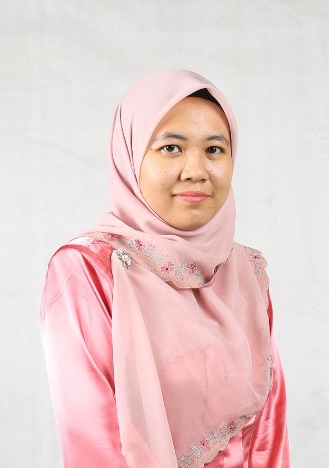
Director of the Centre for Digital and Flexible Learning (UTM CDex)
Speaker Bio: Assoc. Prof. Dr. Nurbiha A. Shukor is an Associate Professor at the School of Education, Universiti Teknologi Malaysia (UTM), with over 14 years of experience in educational technology. She received her Ph.D. in Educational Technology from UTM in 2012. She currently serves as the Director of the Centre for Digital and Flexible Learning (UTM CDex), and previously served as its Deputy Director (2020-2022). She has been the Chair of the Malaysian e-Learning Council for Public Universities (MEIPTA) since 2020. Her research interests include online learning, computer-supported collaborative learning, data mining in education, sequential analysis and discourse analysis for online learning, and augmented reality. She has published numerous papers and has been involved in various research projects, including a data analytics project funded by the British Council in partnership with Liverpool John Moores University.
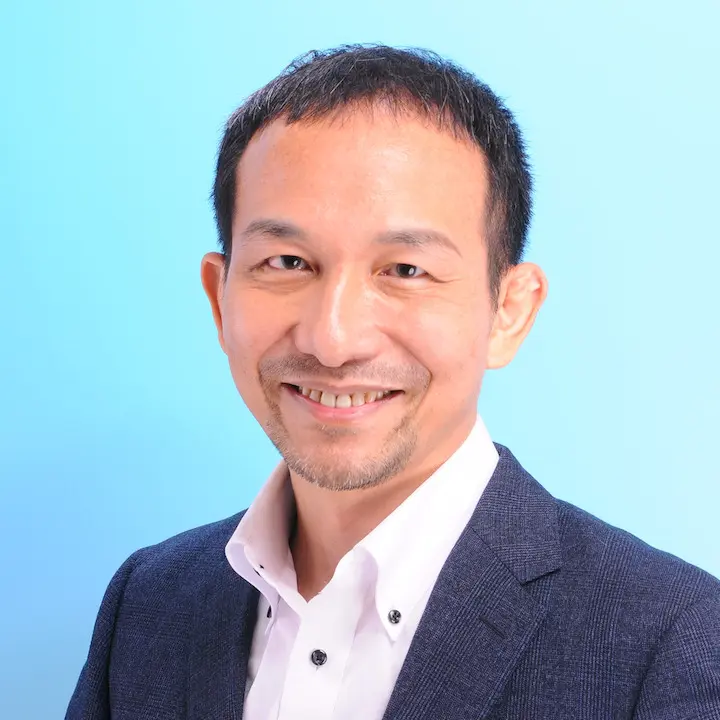
Speaker Bio: Dr. Imasaki graduated from Kyushu University in Japan in 1992 and spent over 30 years as a reporter at NHK, Japan’s public broadcasting station. He played a key role in developing NHK WORLD’s internet news platform as the Chief of the Internet News Team. In 2004, Dr. Imasaki earned an MBA from McGill University, followed by his participation in Stanford Graduate School of Business’s Executive Program (SEP) in 2016. He later earned a Doctorate in Business Administration (DBA) from Hitotsubashi University’s Graduate School of International Corporate Strategy (ICS) in 2021. Since September 2023, Dr. Imasaki has been an academic faculty member at Bunkyogakuin University in Tokyo and Saitama, where he teaches business management in the social welfare department. His research focuses on organizational management in small teams, particularly the Amoeba Management System, and its application within the social welfare sector.
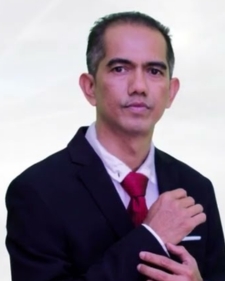
Head, Research Group for Creative Technology (RG CREATE)
Speaker Bio: Dr. Khairul Azhar is an Associate Professor at the Faculty of Creative Technology and Heritage, Universiti Malaysia Kelantan (UMK), and the Vice Chair of the Association of Creative Technology Innovator Malaysia (ACTIM). He is the Editor-in-Chief of the International Journal of Creative Future and Heritage (TENIAT) UMK and co-founder of the Research Ideation Canvas (RIC@). He holds a Ph.D. in Educational Technology from Universiti Sains Malaysia. His research focuses on digital literacy applications in education, innovation studies, and multimedia creativity. Dr. Khairul Azhar has received several innovation awards at national and international levels, including UMK, ITEX, and PECIPTA, and was awarded a scholarship at Trinity College Dublin for Innovation and Entrepreneurship.
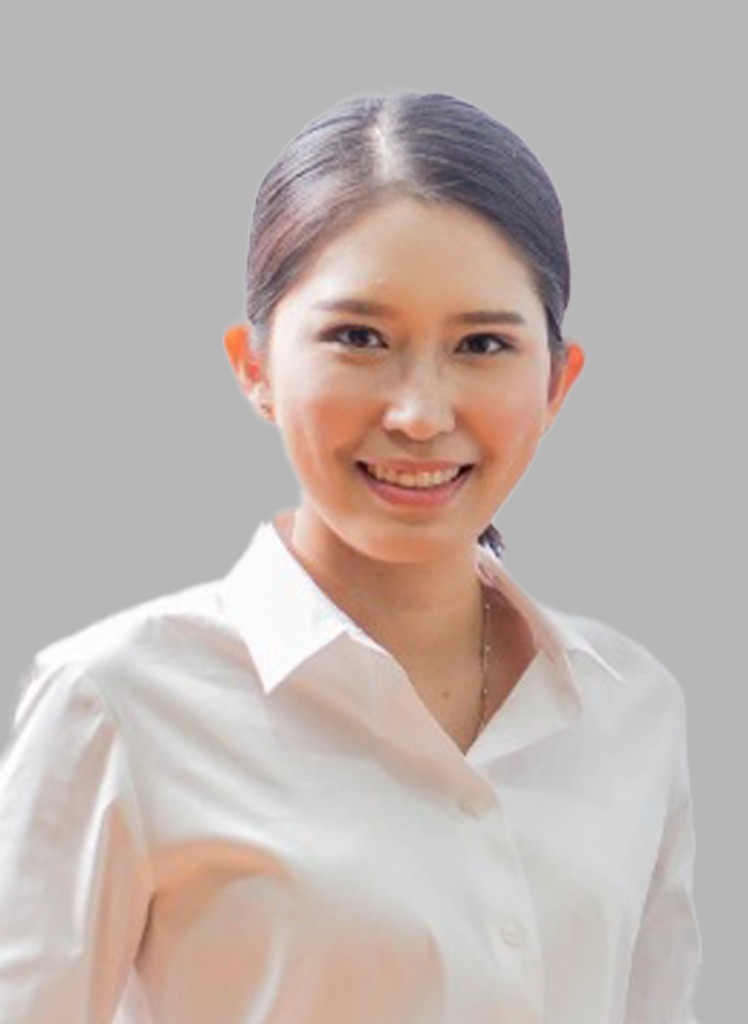
Speaker Bio: Monamorn Precharattana is an Assistant Professor at the Institute for Innovative Learning, Mahidol University, Thailand. Her research interests centre on technology-enhanced learning, encompassing educational gaming and simulation, virtual reality, ubiquitous learning, blended and personalised learning, as well as AI and adaptive systems.
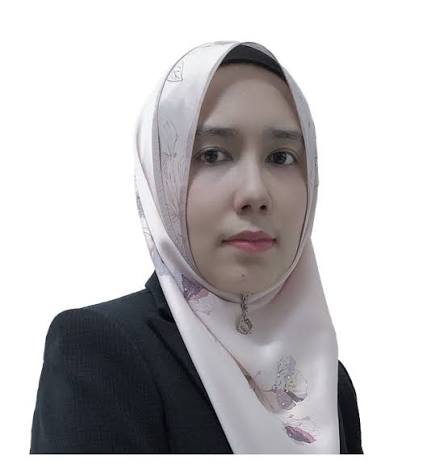
Speaker Bio: Dr. Nur Syazreen Ahmad is an Associate Professor at the School of Electrical and Electronic Engineering, Universiti Sains Malaysia (USM), Penang, Malaysia. Her expertise lies in the areas of control systems, sensor networks, and mobile robotics. Her current research focuses on autonomous mobile robots, emphasizing sensing technologies, system identification, intelligent control, and indoor navigation. She has secured multiple research grants and made substantial contributions to the field, with over 80 publications in reputable journals and conference proceedings. She was recently recognized by Stanford University among the Top 2% of Scientists in the World in her field, under the Citation Impact (Single Year 2025) category. As the current coordinator of the NI Embedded System Laboratory at the USM Engineering Campus, Dr Syazreen has cultivated an environment that serves as a focal point for cutting-edge training programs. These programs aim to equip engineering students and professionals with hands-on experience in leveraging advanced tools and software for applications in industrial automation and embedded systems.
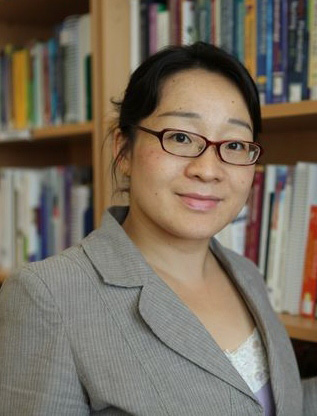
Director of the Library and Learning Commons
Speaker Bio: Lilian currently serves as the Director of the Library and Learning Commons at Zayed University in the UAE, holding the rank of Professor in Practice. With over 20 years of experience in academic library leadership both in Canada and the Middle East, she combines her background in information systems, educational leadership, and educational technology to effectively navigate the digital transformation in higher education. Lilian is particularly skilled in areas such as digital and smart libraries, technology integration in curriculum development, and international higher education leadership.
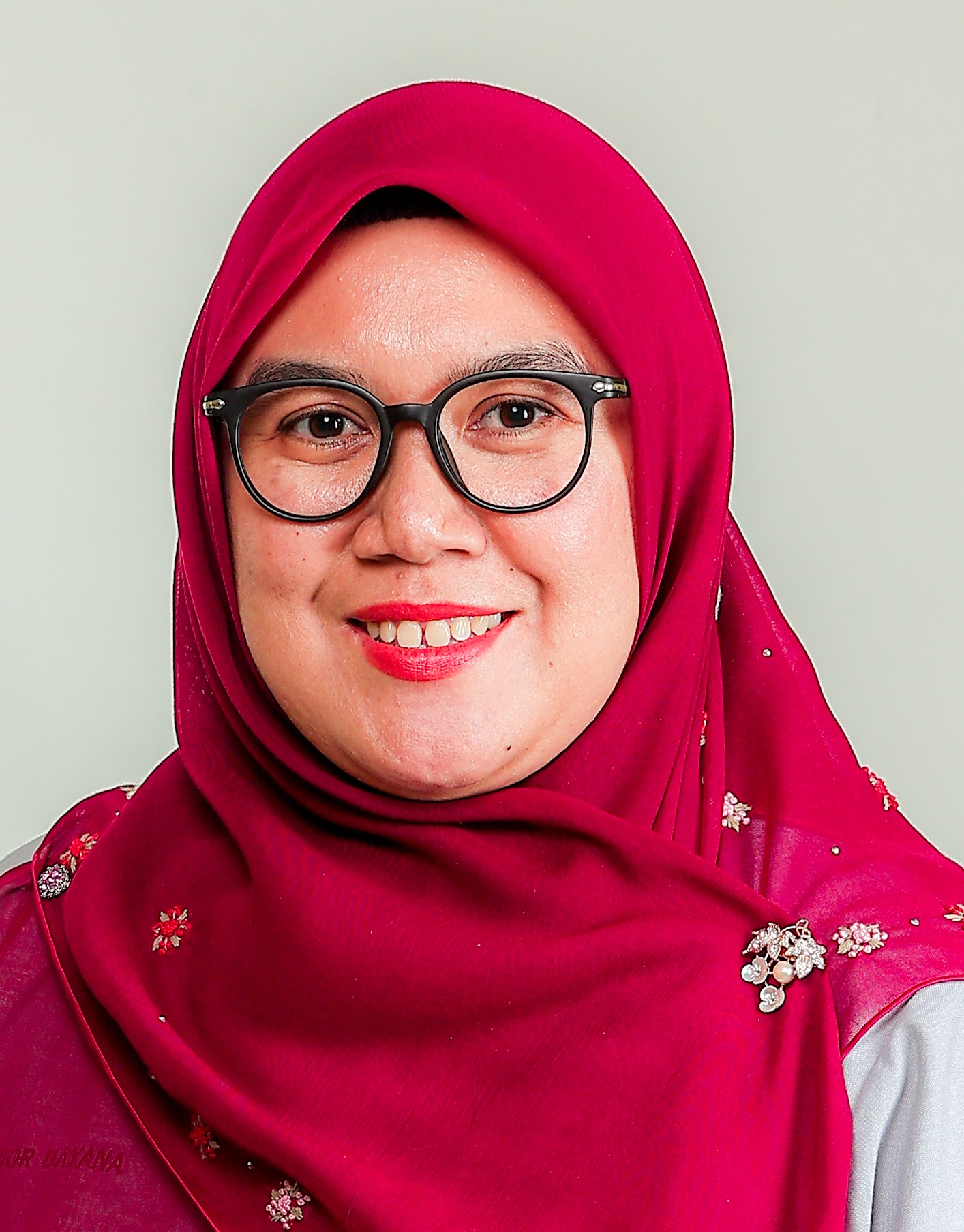
Head, Department of Advanced Learning Technology
Speaker Bio: Assoc. Prof. Ts. Dr. Noor Dayana Abd Halim has been an academic at Universiti Teknologi Malaysia (UTM) since 2009 and is currently serving as the Head of the Department of Advanced Learning Technology, Faculty of Educational Sciences and Technology. With more than 15 years of academic experience, she has held various academic and leadership positions, including Director, Academic Manager, Programme Coordinator, and Head of Research Group. She obtained her Bachelor of Science and Computer with Education (Chemistry) (Hons.) in 2009 and Ph.D. in Educational Technology in 2012, both from UTM. Her research expertise encompasses educational technology, digital pedagogy, online and open and distance learning, augmented and immersive learning, multimedia learning, personalised learning, learning analytics, social and collaborative learning, STEM education, artificial intelligence in education, and innovative learning environments. She has been involved in 96 research projects with a total portfolio value exceeding RM3.5 million, serving as both Principal Investigator and research team member across international, national, and university-funded projects. She also has extensive experience in postgraduate supervision, with 59 postgraduate students successfully completing their studies, and has served as an internal and external examiner for Master’s and Ph.D. examinations. With a Scopus H-index of 16, she has contributed to scholarly publications in international journals covering areas related to educational technology. She is an active member of the Young Scientists Network–Academy of Sciences Malaysia (YSN-ASM) and a Professional Technologist (Ts.) with the Malaysian Board of Technologists (MBOT). She is also actively involved as a speaker, facilitator, reviewer, and contributor in educational technology, online learning, MOOCs, micro-credentials, digital pedagogy, and science education initiatives. Her contributions to educational innovation have been recognised through several awards, most notably the AKRI 2022 (Anugerah Khas YB Menteri Pendidikan Tinggi / Special Award by the Honourable Minister of Higher Education) under the Innovative Curriculum Design and Delivery category, as well as other teaching, supervision, and innovation awards.
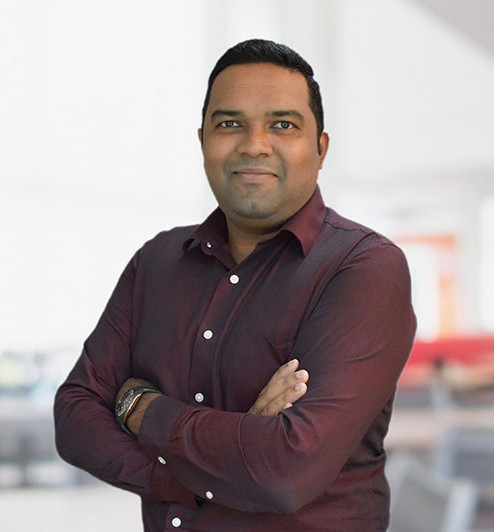
Speaker Bio: Dr. Tanmay Sinha is an assistant professor at the National Institute of Education, Nanyang Technological University in Singapore. He obtained a master’s degree in artificial intelligence from Carnegie Mellon University and completed his doctoral work in the learning sciences at ETH Zurich. Before moving to Singapore, Tanmay served as executive director of the 1st ETHZ-EPFL joint doctoral program in learning sciences in Switzerland during its foundational years. Tanmay's sustained, influential learning sciences and AIED scholarship has garnered over 2900 citations (h-index 23), been cited nearly four times the global average within education (field-weighted citation index 3.85, 2015-2024), ranked top 2% impact-wise and top 3% overall in past five years. His research has appeared in prestigious outlets such as Journal of the Learning Sciences, Journal of Educational Psychology, Review of Educational Research, Learning and Instruction, Cognitive Science, Technology Knowledge and Learning, Thinking Skills and Creativity, etc. Tanmay's work has also garnered global media attention from 30+ avenues including the New York Times, Times Higher Education, World Economic Forum, etc, along with being referred in policy documents from international agencies like the UNDP and RAND corporation.
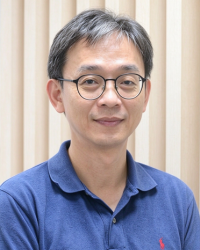
Speaker Bio: Ho Keat graduated from the University of South Australia with a Doctor of Philosophy in Business and Management. His research interest is in sports marketing. He has won several awards for his research including the 2020 Emerald Literati Award for a paper on social media marketing of sports shoes. He serves as a reviewer and editorial board member for several academic journals including as an Associate Editor for the journal Managing Sport and Leisure. He is also an Accredited Teacher in Higher Education with the Staff and Educational Development Association in the United Kingdom. For more than 20 years, he has taught management modules at various tertiary academic institutions including Nanyang Technological University in Singapore. He is currently an Associate Professor at National Tsing Hua University in Taiwan.