Panel Overview: The transformation brought by artificial intelligence in education cannot rely solely on individual classroom tools or standalone applications. It requires a complete, interconnected education ecosystem built upon institutional strategy, digital infrastructure, open platforms, multi‑stakeholder cooperation, and effective governance. This panel explores AI‑Enabled Education Ecosystems, focusing on how schools, universities, governments, research institutes, technology enterprises and social organisations co‑build sustainable, interoperable and open educational AI systems. The discussion addresses institutional digital transformation, data governance, platform interconnection, cross‑domain resource sharing, and long‑term operational models for smart campuses.
Core Research Question: How can different stakeholders jointly construct a collaborative, sustainable and governable AI education ecosystem that supports large‑scale digital transformation of educational institutions?
Time & Venue: To be announced, please refer to the final conference schedule.
Core Keywords
Education Ecosystem, Smart Campus, Institutional Transformation, Educational Big Data, Interoperable Platforms, Multi‑stakeholder Collaboration, Education Governance, Digital Infrastructure, Open Educational Resources, Sustainable AI in Education
Discussion Focus
- Digital and AI transformation strategies for schools and higher education institutions
- Construction of unified, open and interoperable smart campus platforms
- Data standards, data sharing and data security mechanisms across educational systems
- Collaboration models among governments, academia, schools and ed‑tech industries
- Open educational resources and AI‑driven resource circulation mechanisms
- Organisational change, leadership and institutional capacity building for AI adoption
- Sustainable operation, cost‑benefit evaluation and long‑term governance of educational AI projects
Panel Chair (TBA)

Chair Name (TBA)
Affiliation, Country
Bio
Biography information will be released once confirmed.
Panel Introduction
Panel introduction and opening remarks will be updated later.

Bio: Speaker biography will be announced soon.
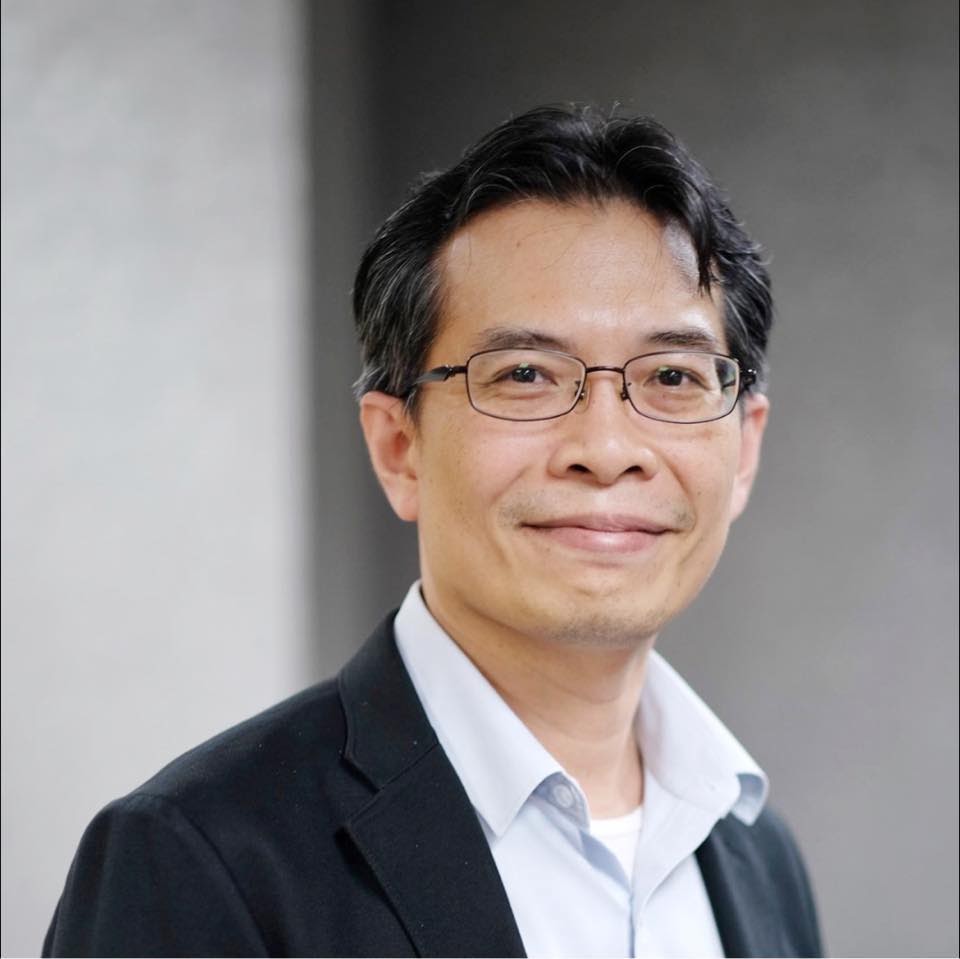
Bio: I am a Computer Engineering Lecturer and Assistant to the President at Khon Kaen University (KKU), specializing in executive IT leadership, enterprise architecture, and campus-wide digital transformation. Since 2011, I have directed the strategy, design, and operations for KKU's core digital ecosystem -overseeing everything from data center facilities, campus networks, and cybersecurity to AI/ML/HPC compute clusters, cloud virtualization, and software engineering for our students, faculty, and alumni. My teaching portfolio includes cybersecurity, operating systems, advanced internetworking, system administration, computer programming, and learning skills development. Beyond roles within my university, I apply my experiences to national digital infrastructure initiatives including Thai University Consortium root CA, TBSI nation-wide public blockchain infrastructure, and the SRI ALERT national emergency warning platform. Outside of academia, I am an active Free and Open-Source Software (FOSS) developer. I was a co-developer of Linux TLE, one of the most popular Thai Linux distributions, and have contributed to the Linux kernel and various software packages to enable Thai language supports. I have maintained over 1,000 package repositories (across Linux TLE and my personal repositories). Today, I am a member of the Thai Linux Working Group (TLWG), the channel operator for #tlwg on IRC, and the mirror master for mirror.kku.ac.th - one of Thailand's largest official FOSS mirror sites. You can find my personal blog and hobby projects (written in Thai) at kitty.in.th.
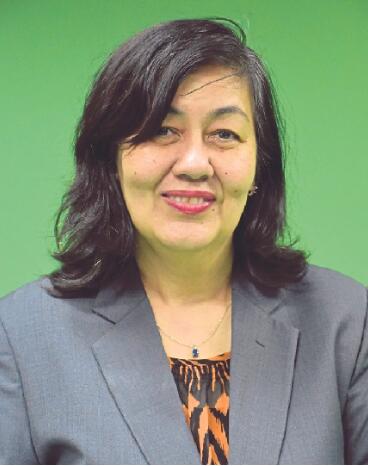
Bio: Dr. Dorothy Dewitt is currently an Associate Researcher and a retired Associate Professor in the Curriculum and Instructional Technology Department, University Malaya. She is also an Adjunt Professor at Open University Malaysia. She is an alumnus of the Endeavour Executive Fellowship from the government of Australia. She was formerly with the Educational Technology Division (ETD), Ministry of Education, Malaysia, where she was involved in the Smart School Pilot Project in change management and managing the development of digital materials during the project. In addition, she was involved in the research, management and promotion of innovation in instruction. Her current interests are in instructional design, new pedagogies and technologies for knowledge management, collaborative mobile learning and problem solving. Her publications include academic articles in ISI-ranked publications and journals such as Journal of Educational Technology and Society (ETS), Eurasian Journal of Mathematics, Science and Educational Technology (EJMSET), and Educational Technology Research & Development (ETR&D), and many other Scopus-ranked publications. She has published books on technology-enhanced learning, blended learning, problem-solving for transformative learning, collaborative mobile learning and developmental research. She has been involved in research in collaborative and mobile learning since 2007, and is looking at designs of instructional systems that encourage problem-solving, communication.

Bio: Speaker biography will be announced soon.

Bio: Speaker biography will be announced soon.
Core Discussion Questions
- What key elements constitute a complete and sustainable AI‑enabled education ecosystem?
- How can educational institutions avoid isolated information islands when deploying AI and smart campus systems?
- What kind of data governance frameworks can realise secure and valuable data sharing across organisations?
- How to design win‑win multi‑party collaboration mechanisms among governments, schools, research teams and technology companies?
- What evaluation indicators can measure the real‑world effectiveness and sustainability of an AI education ecosystem?
Who Should Attend?
This panel targets managers, architects and researchers who focus on the systematic construction of smart education:
- University and school administrators, digital transformation directors
- Smart campus architects, educational informatisation engineers
- Education policy‑makers and education governance researchers
- Big‑data and education platform R&D teams from technology enterprises
- Open educational resource project managers
- Researchers studying educational innovation systems and multi‑stakeholder collaboration
- Graduate students focusing on smart campus and education informatisation