Panel Overview: Artificial Intelligence and digital technologies are reshaping the future of education, transforming not only how students learn and teachers teach, but also how educational institutions operate, innovate, and manage their digital environments. This panel brings together distinguished experts in educational technology, AI-enhanced learning, K–12 education, digital transformation, and smart campus infrastructure to explore how emerging technologies can be integrated into a connected, intelligent, and human-centered educational ecosystem.
Core Keywords
Artificial Intelligence in Education, Personalized and Adaptive Learning, Human-Centered Learning, Learning Analytics, Digital Transformation in Education, Smart Campus, Interoperable Digital Infrastructure, Educational Innovation, AI-Enhanced Teaching and Learning, Digital Governance
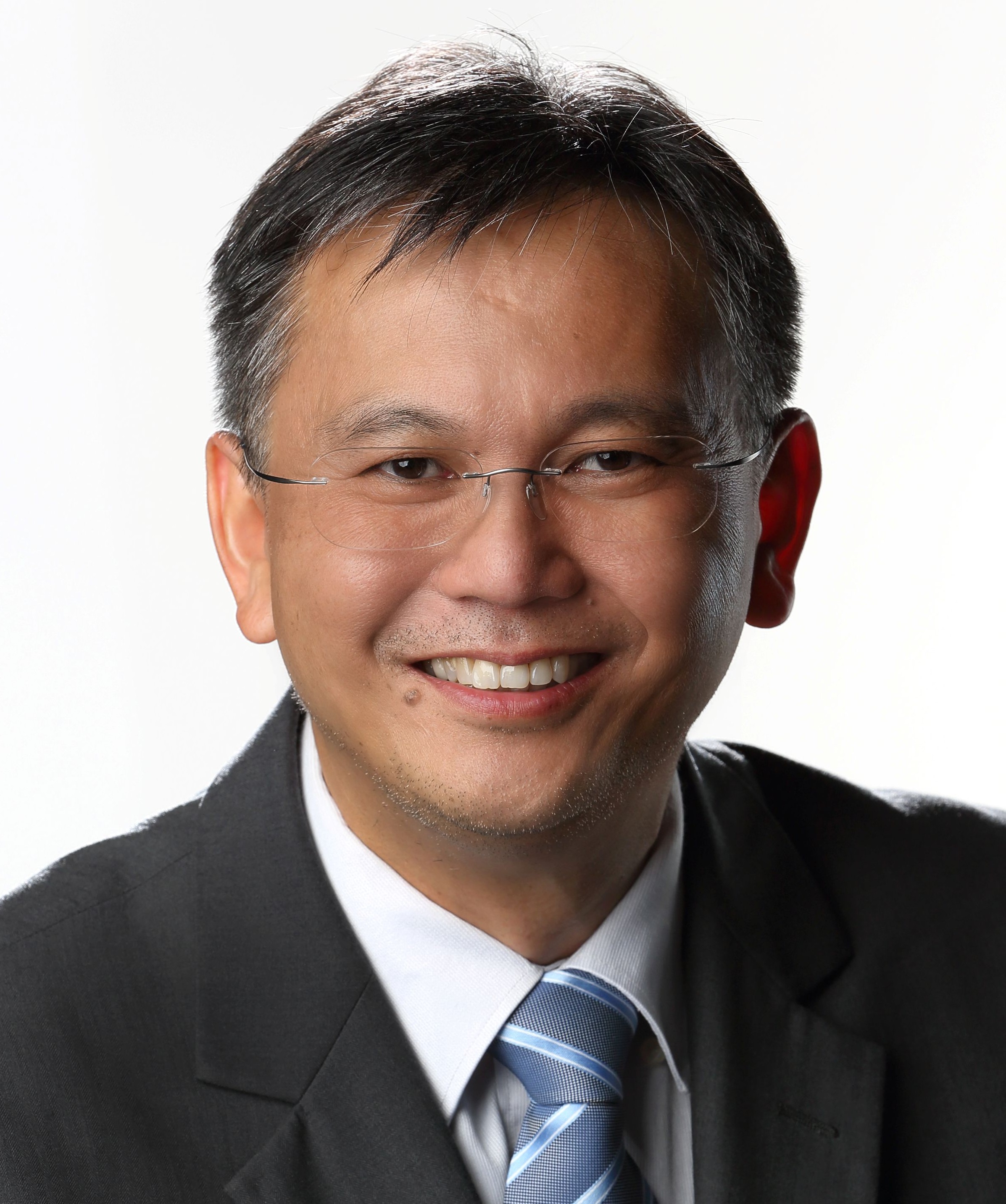
Bio: Peter Tong is an international educator and educational innovator with extensive experience integrating emerging technologies, data analytics, and engineering into K–12 education. In 2014, he pioneered a K–12 Big Data Analytics program at a time when neither an established curriculum nor educational standards existed in the field. He continues to engage students in practical data analytics research, including Artificial Intelligence (AI), Machine Learning (ML), and Large Language Models (LLMs), with both his own and his students’ work presented at international conferences. In 2020, Peter and his students developed www.dataexcite.org, an online Big Data Analytics course for high school learners. Before becoming an educator, Peter worked as an aerospace engineer, including on the preliminary design of a supersonic Mach 2+ UAV for Canada’s Department of National Defence. He holds a B.Sc. Eng. in Electrical Engineering, an M.Sc. Eng. in Mechanical Engineering, a Ph.D. in Aerospace Engineering, and a Dip. Ed. in Education. He currently teaches in China and has previously taught in Australia, Canada, Indonesia, Malaysia, and Singapore. Peter serves on the program committee of the International Big Data and Analytics Educational Conference and on the Advisory Board of STEAMwSeniors.
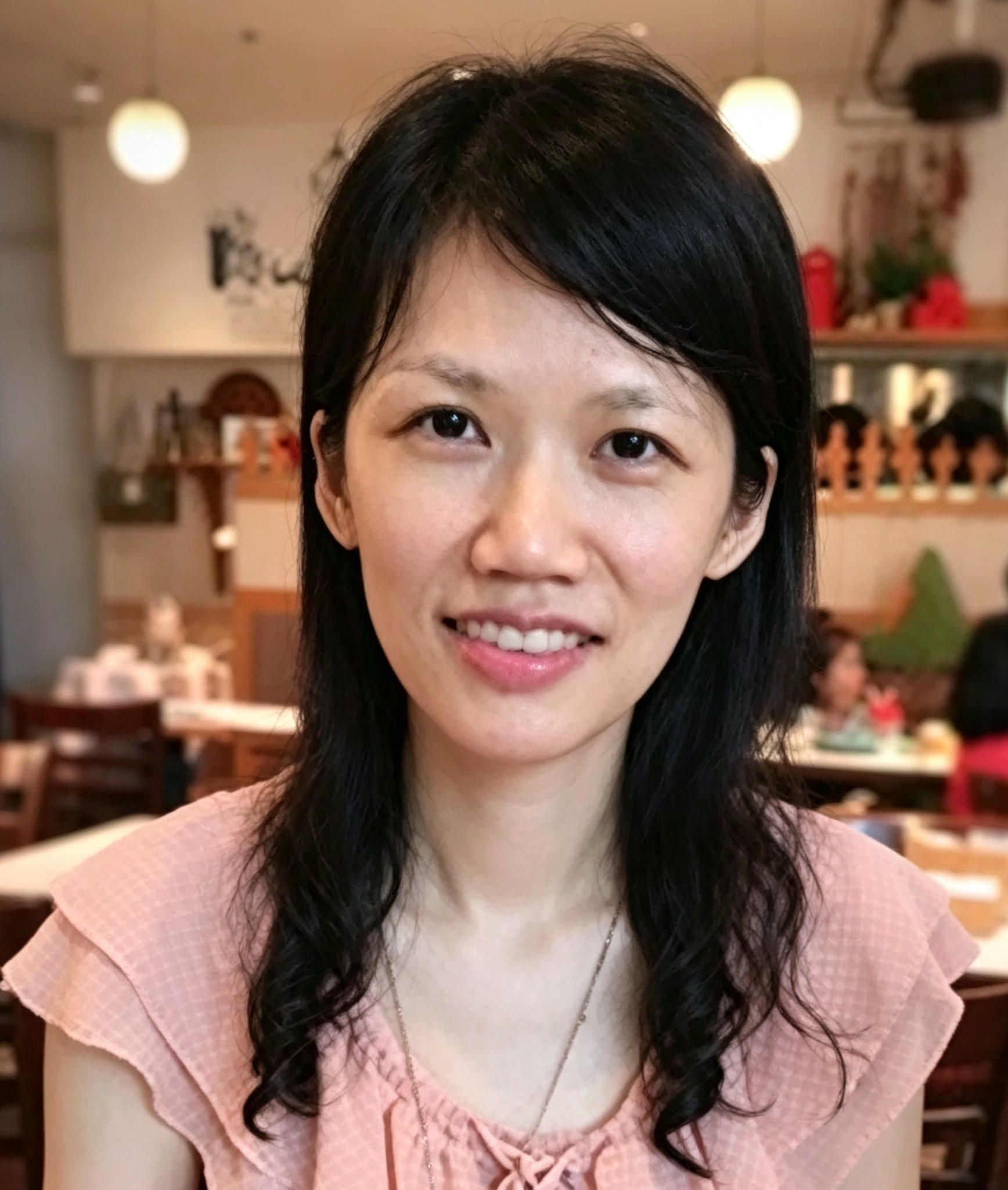
Bio: Dr. Gloria Yi-Ming Kao is a full professor at the Graduate Institute of Digital Learning and Education at the National Taiwan University of Science and Technology in Taiwan. Her research interests include digital reading literacy and creativity, interactive electronic picture book design, digital games and design thinking, STEAM education, artificial intelligence-assisted learning, and technology-enhanced language learning. She also applies learning analytics tools and techniques (e.g., eye-tracking, EEG, behavioral sequence analysis) to explore individual and group learning processes. In recent years, she has paid increasing attention to issues related to social emotional learning (SEL). Her work primarily involves designing, developing, and implementing innovative digital technologies to create multimedia interactive learning environments that support cognitive construction, increase learning motivation, and promote social engagement, thereby enhancing students' learning outcomes.
Bio: Elenita Que is Professor and currently Chair of the Division of Educational Leadership and Professional Services at the College of Education, University of the Philippines - Diliman. She is also the program coordinator of the Educational Technology Area in the same College. Dr. Que earned her Ph.D. in Education, specializing in Comparative Education and ICT Education at Hiroshima University in Japan. She got her master’s degree in Education majoring in Educational Technology at UP Diliman, and a bachelor's degree in Development Communication from the University of the Philippines-Los Baños. She is a Digital Literacy Fellow at the Queensland University of Technology, Brisbane, Australia. She is a consultant on instructional design and educational technology for various government and private academic institutions. She is a learning experience designer, researcher, and teacher trainer on curriculum development, technology-mediated instruction, design thinking, blended learning, eLearning systems, and AI in education.
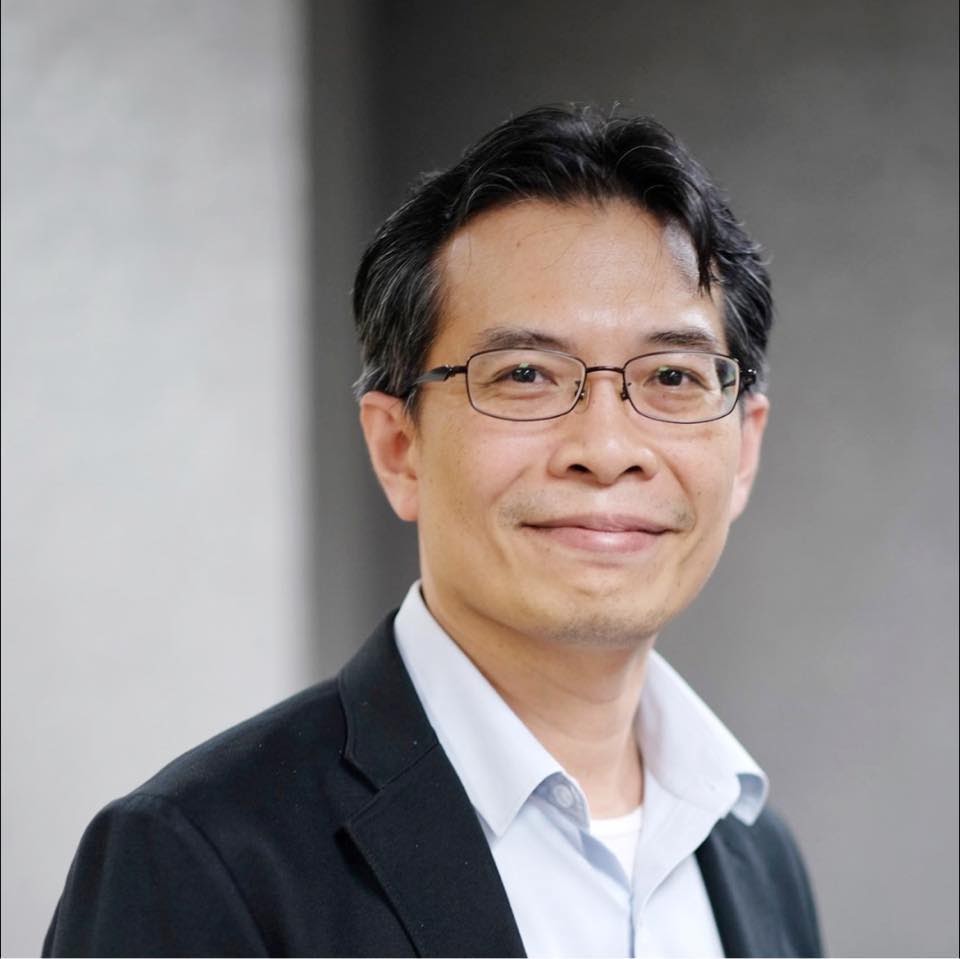
Bio: I am a Computer Engineering Lecturer and Assistant to the President at Khon Kaen University (KKU), specializing in executive IT leadership, enterprise architecture, and campus-wide digital transformation. Since 2011, I have directed the strategy, design, and operations for KKU's core digital ecosystem -overseeing everything from data center facilities, campus networks, and cybersecurity to AI/ML/HPC compute clusters, cloud virtualization, and software engineering for our students, faculty, and alumni. My teaching portfolio includes cybersecurity, operating systems, advanced internetworking, system administration, computer programming, and learning skills development. Beyond roles within my university, I apply my experiences to national digital infrastructure initiatives including Thai University Consortium root CA, TBSI nation-wide public blockchain infrastructure, and the SRI ALERT national emergency warning platform. Outside of academia, I am an active Free and Open-Source Software (FOSS) developer. I was a co-developer of Linux TLE, one of the most popular Thai Linux distributions, and have contributed to the Linux kernel and various software packages to enable Thai language supports. I have maintained over 1,000 package repositories (across Linux TLE and my personal repositories). Today, I am a member of the Thai Linux Working Group (TLWG), the channel operator for #tlwg on IRC, and the mirror master for mirror.kku.ac.th - one of Thailand's largest official FOSS mirror sites. You can find my personal blog and hobby projects (written in Thai) at kitty.in.th.
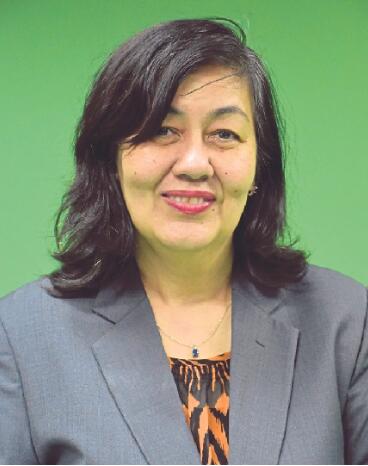
Bio: Dr. Dorothy Dewitt is currently an Associate Researcher and a retired Associate Professor in the Curriculum and Instructional Technology Department, University Malaya. She is also an Adjunct Professor at Open University Malaysia. She is an alumnus of the Endeavour Executive Fellowship from the government of Australia. She was formerly with the Educational Technology Division (ETD), Ministry of Education, Malaysia, where she was involved in the Smart School Pilot Project in change management and managing the development of digital materials during the project. In addition, she was involved in the research, management and promotion of innovation in instruction. Her current interests are in instructional design, new pedagogies and technologies for knowledge management, collaborative mobile learning and problem solving. Her publications include academic articles in ISI-ranked publications and journals such as Journal of Educational Technology and Society (ETS), Eurasian Journal of Mathematics, Science and Educational Technology (EJMSET), and Educational Technology Research & Development (ETR&D), and many other Scopus-ranked publications. She has published books on technology-enhanced learning, blended learning, problem-solving for transformative learning, collaborative mobile learning and developmental research. She has been involved in research in collaborative and mobile learning since 2007, and is looking at designs of instructional systems that encourage problem-solving, communication.